
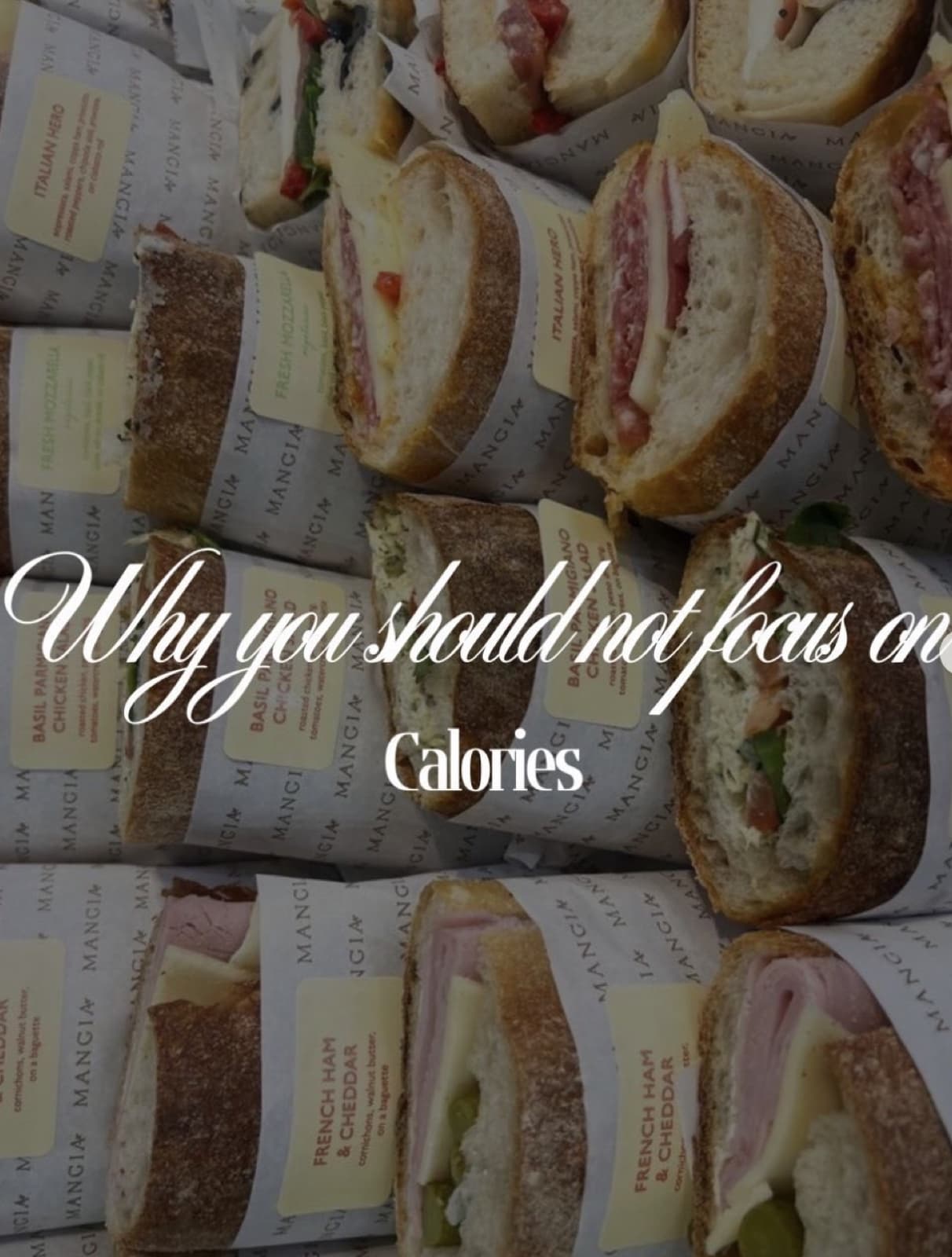
Calories in versus calories out treats food like arithmetic. Insulin, cortisol and food quality all decide what a calorie actually does once it's inside you.
Most people eat around fifteen grams of fibre a day against a target closer to thirty. That gap does more quiet damage than almost anything else on the plate.
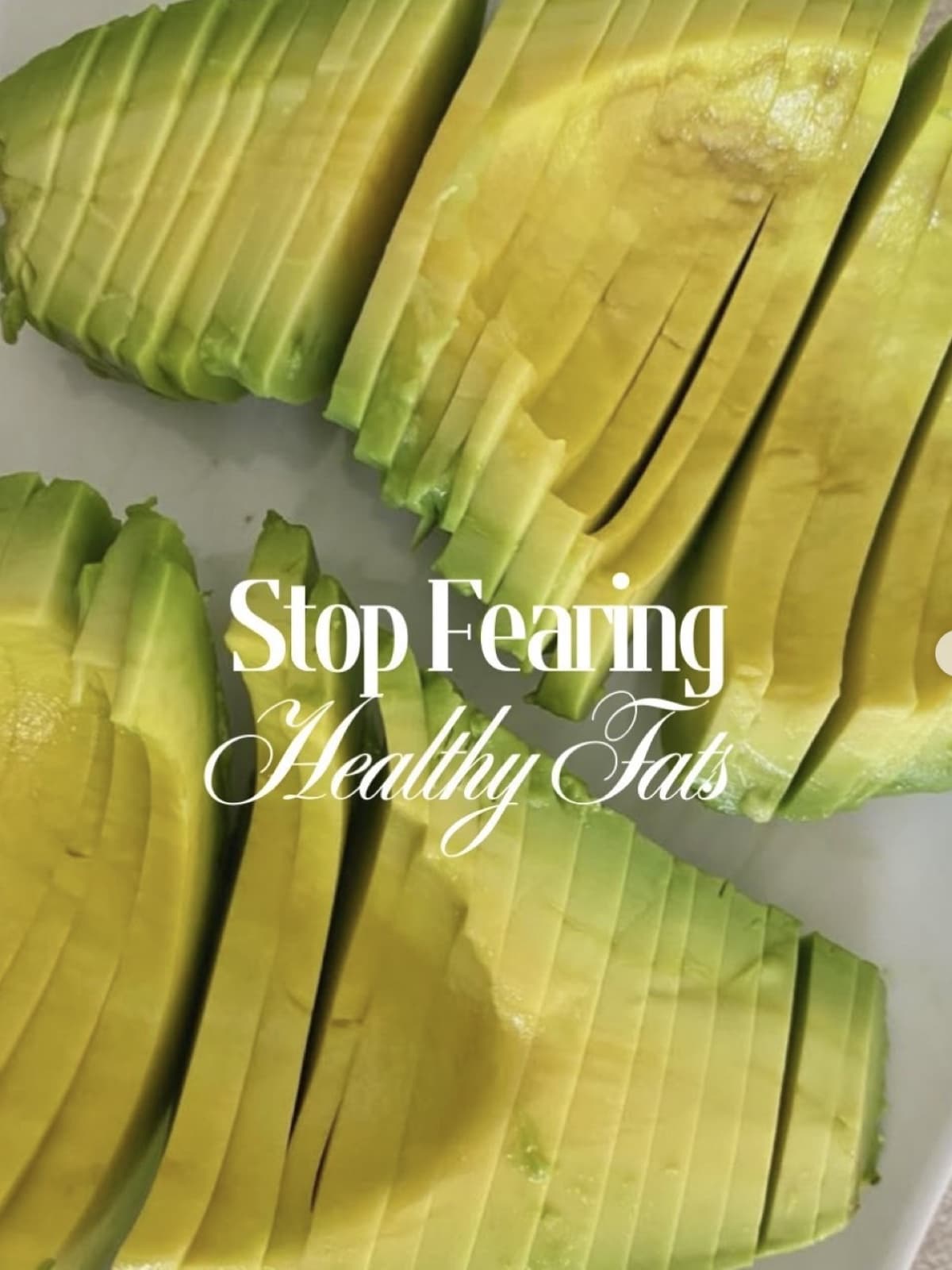
Fat doesn't make you store fat — insulin spikes do. Protein and fat alongside a carbohydrate blunt the spike; cutting them out doesn't.
Nutrition here isn't a restriction plan. It's steady blood sugar, enough fibre and protein, fats eaten without fear, and food that changes with the season instead of repeating the same nine things all year. The target is a plate that works with your hormones, not a number that ignores them.



Eating less and moving more, harder
Under-eating slows metabolism. The stall is usually a signal to eat more, not less.
Counting calories without counting quality
A hundred calories of vegetables and a hundred of sugar do different things to insulin.